Your safety comes first, which is why identification is checked before any lockout service begins. This ensures you’re always dealing with a verified, accountable technician.

When a safe’s lock jams or fails, your valuables shouldn’t be at risk. Our specialists use careful, non-invasive techniques to restore access without drilling or damaging the safe itself, keeping your belongings secure throughout the process.
We use careful, non-invasive techniques to restore access without damaging your safe or its contents. Our experienced team handles every job with discretion and professionalism.
We know how stressful a lockout can feel, especially when time is limited. That’s why our technicians act fast, arriving promptly and starting work without hesitation.
From home safes to commercial units, our technicians are equipped to handle different lock mechanisms.
Your safety comes first, which is why identification is checked before any lockout service begins. This ensures you’re always dealing with a verified, accountable technician.
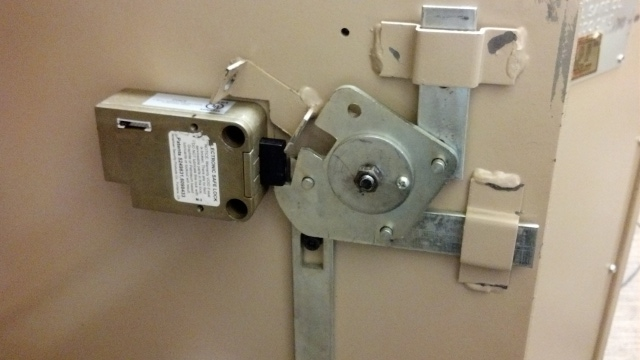
Frequent use of a safe’s lock can gradually wear down its internal components. This often results from years of regular opening and closing. Our team inspects and repairs the mechanism to restore consistent operation. This issue is especially common in safes used daily for business or home storage. Reliable repairs ensure dependable access without unexpected failures.

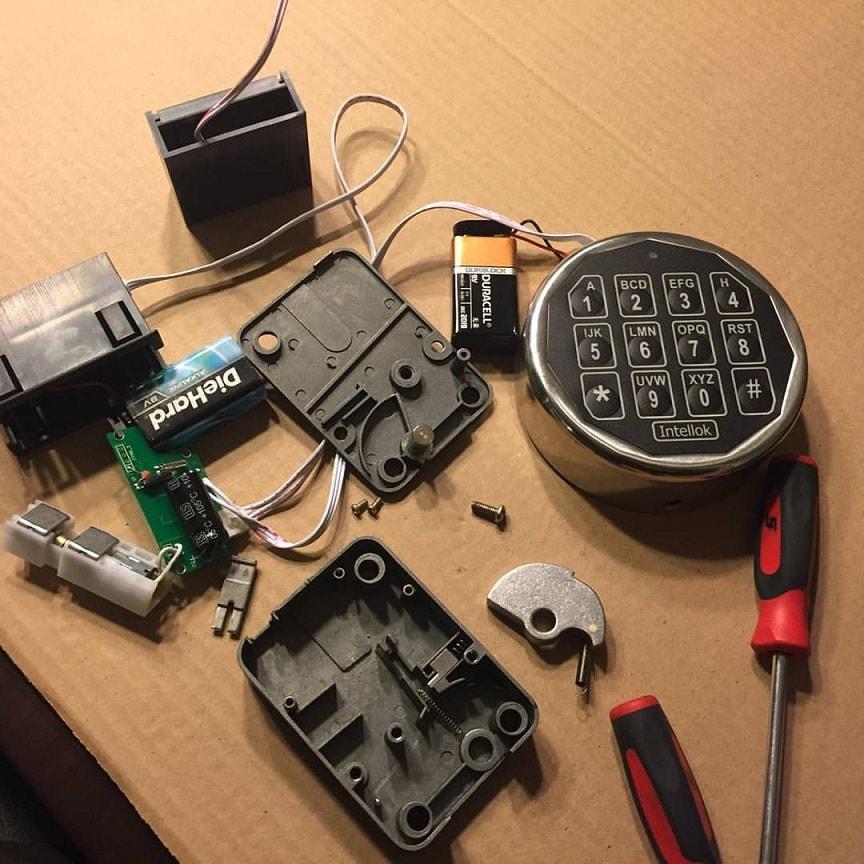
Digital safe locks can malfunction due to depleted batteries or internal electronic faults. This often results from prolonged use or lack of routine maintenance. Our technicians diagnose and resolve the issue to restore proper function. This issue is especially common in older electronic safe models. Reliable repairs ensure secure, uninterrupted access going forward.

Repeated incorrect code attempts can trigger built-in lockout protections on electronic safes. This often results from forgotten codes or accidental input errors. Our team safely resolves the lockout without damaging the safe’s mechanism. This issue is especially common in safes with strict security lockout features. Reliable service restores access quickly and securely.

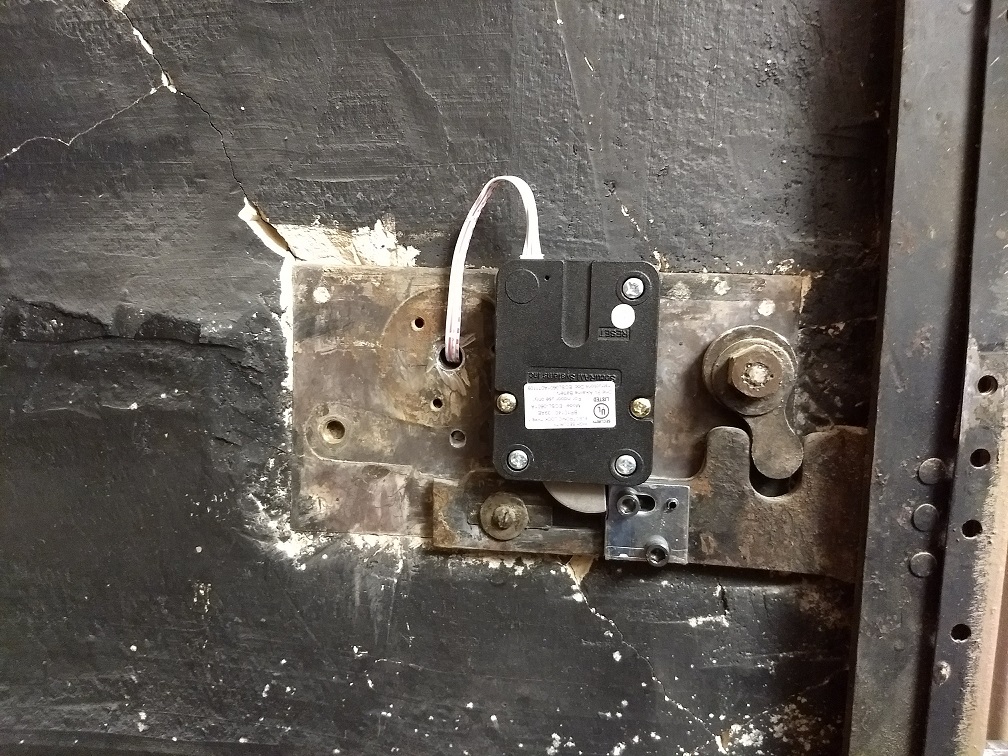
Moisture exposure can cause rust to develop on older safe lock components. This often results from humid environments or long-term lack of maintenance. Our technicians carefully repair affected parts to restore smooth movement. This issue is especially common in older or improperly stored safes. Reliable repairs ensure continued security without compromising the safe’s integrity.
A safe is meant to provide peace of mind — a secure place for important documents, valuables, or cash that you trust will stay protected and accessible when needed. When the lock on that safe stops working properly, it creates a uniquely stressful situation: your valuables are secure, but so secure that even you can’t reach them. A professional safe lock repair service addresses exactly this problem, restoring access carefully and without compromising the safe’s structural integrity.
Safe locks, whether mechanical or electronic, can develop problems for a range of reasons.
Mechanical wear over time. Frequent daily use gradually wears down internal components in traditional combination or key-based safe locks, eventually leading to stiffness or failure.
Battery or electronic failures. Digital safe locks depend on battery power and internal electronics, both of which can fail unexpectedly due to age, low battery levels, or internal faults.
Incorrect code entries triggering lockout protections. Many electronic safes include built-in security features that temporarily lock the system after repeated incorrect code attempts, which can leave legitimate owners locked out as well.
Rust or corrosion on older safes. Safes stored in humid environments or basements can develop internal rust over time, affecting the smooth movement of mechanical lock components.
Forgotten combinations or codes. It’s more common than people expect — a combination or code that hasn’t been used in a long time can simply be forgotten, leaving even a fully functional safe temporarily inaccessible.
Unlike standard door locks, safes are specifically engineered to resist forced or unauthorized entry, which means repairing a malfunctioning safe lock requires an entirely different level of care and expertise. A technician working on a safe lock needs to restore access without drilling, forcing, or otherwise compromising the safe’s structural security — the very thing that makes the safe valuable in the first place.
This requires specialized tools and techniques designed specifically for safe mechanisms, along with a solid understanding of how different safe brands and models are constructed internally.
Diagnosing the specific issue. Before any repair work begins, our technicians assess whether the problem stems from mechanical wear, an electronic fault, a triggered lockout protection, or another cause entirely.
Non-invasive repair techniques. Wherever possible, repairs are carried out using non-destructive methods that avoid drilling or forcing the safe open, preserving both its structural integrity and its ongoing usability.
Careful handling of contents. Given that safes often contain sensitive documents or valuables, every repair is handled with discretion and care to avoid any disruption to what’s stored inside.
Thorough testing after repair. Once the issue is resolved, the lock is tested multiple times to confirm reliable, consistent operation going forward.
Safe lock repair covers a wide range of safe types, each with its own specific mechanisms and considerations.
Home safes, commonly used for storing documents, jewelry, or firearms securely within a residential property.
Commercial safes, often larger and more heavily built, used by businesses to store cash, sensitive documents, or valuable inventory.
Digital and electronic safes, which rely on keypad codes and internal electronics rather than traditional mechanical components.
Older mechanical and dial-combination safes, which use time-tested mechanical systems that, while reliable, can still develop issues after years of use.
Fireproof and specialty safes, which combine standard locking mechanisms with additional structural features designed for fire or water resistance.
If you find yourself unable to access your safe, avoiding forceful attempts to open it yourself is important, since improper handling can cause permanent damage to the lock mechanism or, in some cases, the safe’s structural integrity. Instead, reaching out to a professional who specializes in safe lock repair ensures the issue is addressed carefully, with the goal of preserving both access and security.
It’s also worth trying to recall any recent changes — a new battery, a recently changed code, or repeated incorrect attempts — since this information can help a technician diagnose the issue more quickly.
Safes typically hold some of the most sensitive and valuable items in a home or business, which makes discretion an essential part of any safe lock repair service. A professional technician approaches every job with respect for privacy, handling the repair itself without unnecessary curiosity about the safe’s contents, and ensuring the process remains confidential from start to finish.
A few simple habits can help reduce the likelihood of future safe lock problems. For electronic safes, replacing batteries proactively before they fully die — rather than waiting for a failure — helps avoid unexpected lockouts. Keeping a written record of the combination or code in a secure, separate location can prevent the frustration of a forgotten code. For older mechanical safes, periodic professional inspection can catch early signs of internal wear before they develop into a full lock failure.
In many cases, a malfunctioning safe lock can be repaired rather than requiring a full safe replacement, which is a significantly more costly and disruptive option. Repair is generally the preferred approach whenever the safe’s structure remains sound and the issue is isolated to the lock mechanism itself, whether mechanical or electronic.
A knowledgeable technician will assess whether repair is a viable option before recommending anything more drastic, ensuring you’re not paying for an unnecessary replacement when a proper repair would fully resolve the issue.
A safe is only as useful as your ability to access it when needed. Our safe lock repair service focuses on restoring that access safely and discreetly, using specialized techniques suited to your specific safe type, without compromising the very security the safe is designed to provide. Whether the issue is mechanical, electronic, or simply a forgotten code, careful, professional repair gets you back into your safe with confidence and without unnecessary damage.
Same-Day Appointments Available
Costs vary depending on the safe type and issue. Contact us for a precise quote.
Yes, our technicians use specialized techniques to safely restore access when needed.
This is often due to battery issues or internal electronic faults, which we can diagnose quickly.
No, we use non-invasive methods designed to protect both the safe and what's inside.
Yes, we work with both digital and mechanical safe locks, regardless of age.